Cart
0
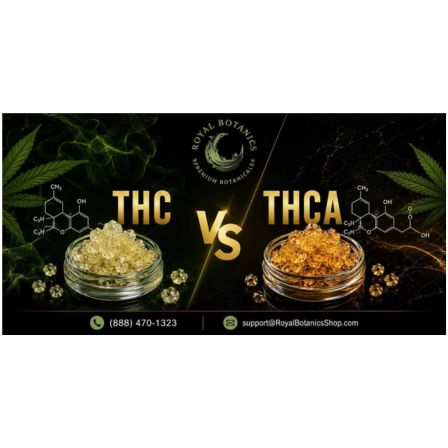
THCA flower has become a topic of interest within the hemp-derived cannabinoid space. While it is often compared to THC flower, the two differ in composition, cultivation practices, and regulatory classification. This guide provides an educational overview of THCA flower, how it differs from THC flower, and how various THCA product categories are defined.
In this blog, we’ll take a deep dive into THCA flower, its differences from THC flower, and the variety of options available to consumers. So, let’s get started!
What is THCA Flower?
THCA, or tetrahydrocannabinolic acid, is a naturally occurring cannabinoid found in raw hemp flower that is distinct from delta-9 THC. THCA and delta-9 THC are distinct cannabinoids with different chemical structures.
THCA flower refers to hemp flower cultivated and handled in a way that preserves its naturally occurring cannabinoid profile prior to further processing or formulation.
Cannabinoid composition in hemp flower can vary based on factors such as genetics, cultivation conditions, and harvest timing.
THCA Flower vs THC Flower: What’s the Difference?
THCA flower and THC flower are differentiated by their chemical profiles and regulatory classification. Hemp-derived THCA flower is cultivated to remain within federally defined delta-9 THC limits, while THC flower typically refers to products regulated under state-level cannabis programs.
In summary, THCA flower and THC flower are distinguished by chemical structure and regulatory classification rather than intended use.
THCA Infused Flower: What Does That Mean?
THCA infused flower refers to hemp flower combined with additional THCA material to modify cannabinoid composition. These products are categorized based on formulation methods rather than intended effects.
This type of flower reflects a formulation approach used to modify cannabinoid composition. These distinctions are useful for understanding how different hemp-derived flower categories are defined.
End Summary: Exploring the World of THCA Flower
THCA flower represents one category within the broader landscape of hemp-derived cannabinoid products. Defined by its naturally occurring cannabinoid profile and the way it is cultivated and handled, THCA flower is often discussed alongside other hemp flower categories, even though these products differ in composition and regulatory treatment.
Distinguishing between THCA flower and THC flower is primarily a matter of chemical structure and classification rather than consumer outcomes. Hemp-derived THCA flower is cultivated to remain within federally defined delta-9 THC limits, while THC flower is regulated separately under state-level cannabis frameworks. Understanding these distinctions helps provide clarity as the cannabinoid marketplace continues to evolve.
Product categories such as THCA-infused flower further illustrate how formulation methods can influence cannabinoid composition without changing the underlying plant material. These distinctions are useful for educational reference and product categorization, particularly in discussions centered on sourcing, cultivation practices, and cannabinoid profiles.
At Royal Botanics, we focus on hemp-derived cannabinoid products developed with attention to sourcing, quality standards, and transparency.
FAQs
1. What is THCA?
THCA (tetrahydrocannabinolic acid) is a naturally occurring cannabinoid found in raw hemp flower. It is distinct from delta-9 THC and is one of several cannabinoids present in the hemp plant.
2. How is THCA different from THC?
THCA and THC differ in their chemical structure and regulatory classification. THCA occurs naturally in raw hemp flower, while delta-9 THC is regulated separately under federal and state guidelines.
3. Is THCA flower derived from hemp?
Yes. THCA flower refers to hemp-derived flower cultivated and handled to preserve its naturally occurring cannabinoid profile while remaining within applicable regulatory limits.
4. What does “THCA-infused flower” mean?
THCA-infused flower refers to hemp flower that has been combined with additional THCA material to adjust its overall cannabinoid composition. These products are categorized based on formulation methods rather than intended effects.
5. How should hemp flower be stored?
Hemp flower should be stored in a cool, dry place, away from direct sunlight and excess moisture. Proper storage helps maintain the plant’s physical characteristics over time.
6. Why do cannabinoid profiles vary between hemp flowers?
Cannabinoid profiles can vary due to factors such as plant genetics, growing conditions, and harvest timing. This variability is a normal part of hemp cultivation.